Invest with me
I find, buy and run apartment buildings, focused on Birmingham, Alabama. When I take on a building, I raise part of the money from people I know: business owners, professionals, and people who’ve sold a company. I run the property. You own a piece of it without running anything.
Pictured: me, my daughter, and our property management team on a visit to our 40-unit community in Birmingham.

Who this is for
Passive investing fits people who want apartments in their portfolio but don’t want to be the one on call. You invest in a building alongside me and other investors. I handle the rest: the team, the tenants, the repairs, the budget.
It’s usually a good fit if you:
Own a business, or sold one, and want wealth that doesn’t depend on it
Earn well but have zero hours to manage property yourself
Want to know the person running the building, not just a logo
Are comfortable with your money tied up for several years
It’s probably not a fit if you might need the money back on short notice, want a say in day-to-day decisions, or are looking for a quick flip.
How a deal comes together
1. We get to know each other first. A call, a few conversations, the newsletter. I want to understand your goals and your experience, and you should get a real feel for how I think and operate.
2. I find and vet the building. Every property goes through my deal-breakers and scorecard. I walk the units, check the mechanicals, and drive the street myself. Most deals don’t make it.
3. I share the full package. When a building passes, investors get the property details, the business plan, the risks, and the legal documents. Have your attorney or CPA review all of it.
4. We close, and I run it. Our property management team handles the day to day. I own the plan, the budget, and the results.
How I report
I hold myself to the reporting I’d want as an investor, and it starts with what I see myself.
Every week, our property manager sends me occupancy, leased units, listing traffic, move-ins, notices, upcoming renewals, days vacant, past-due rent, open work orders, unit turns, and renovations in progress.
Every month, I compare actual results to the budget, line by line. When a number drifts, we deal with it while there’s still time to fix it.
Every quarter, investors get a written update on how the building is doing against the plan, what changed, and what I’m watching. I also aim to be on site each quarter: walking the property, meeting the team, driving the neighborhood.
Every year, you get your tax documents. And if something goes sideways in between, you hear it from me early, not in a year-end letter.
How I protect investor capital
No one can promise a building won’t have problems. What I can control is how much a problem is able to hurt.
Fixed-rate debt. Both of our apartment buildings have fixed-rate loans from credit unions, so the loan payment isn’t one of the things that can surprise us.
Big repairs budgeted up front. I budget capital expenses for the full hold from day one, including aging HVAC and, on older buildings, a sewer and plumbing reserve. I don’t plan to pay for them out of operating cash.
Specialists, not generalists. I learned that one for over $30,000. Each system gets inspected by someone qualified for it.
Taxes on our price. I underwrite taxes on what the county will assess after we buy, not the seller’s bill.
Walking away. If the numbers only work on the seller’s assumptions, I pass.
Real estate still carries real risk, including loss of principal. Anyone who tells you otherwise is selling something.
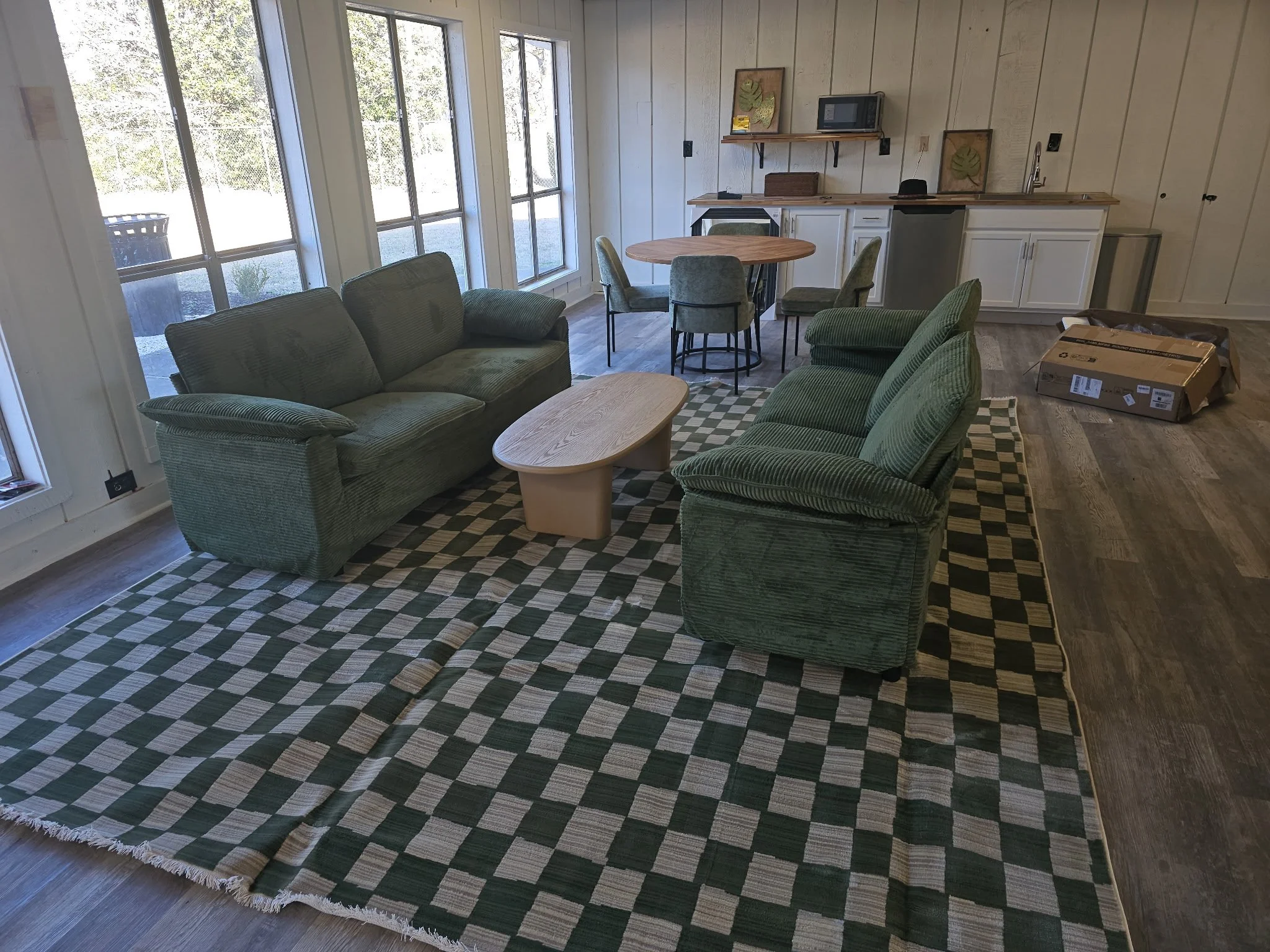
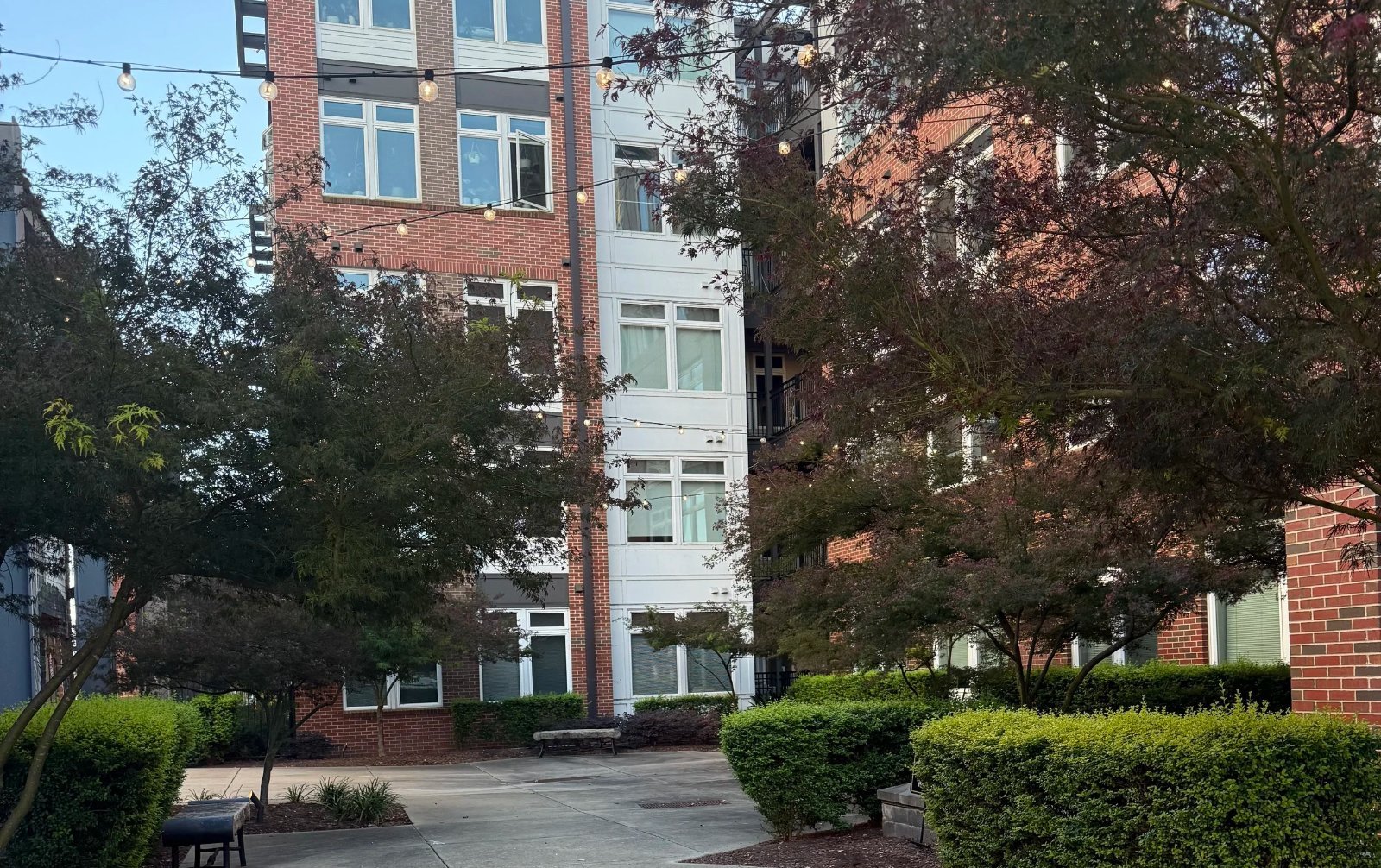
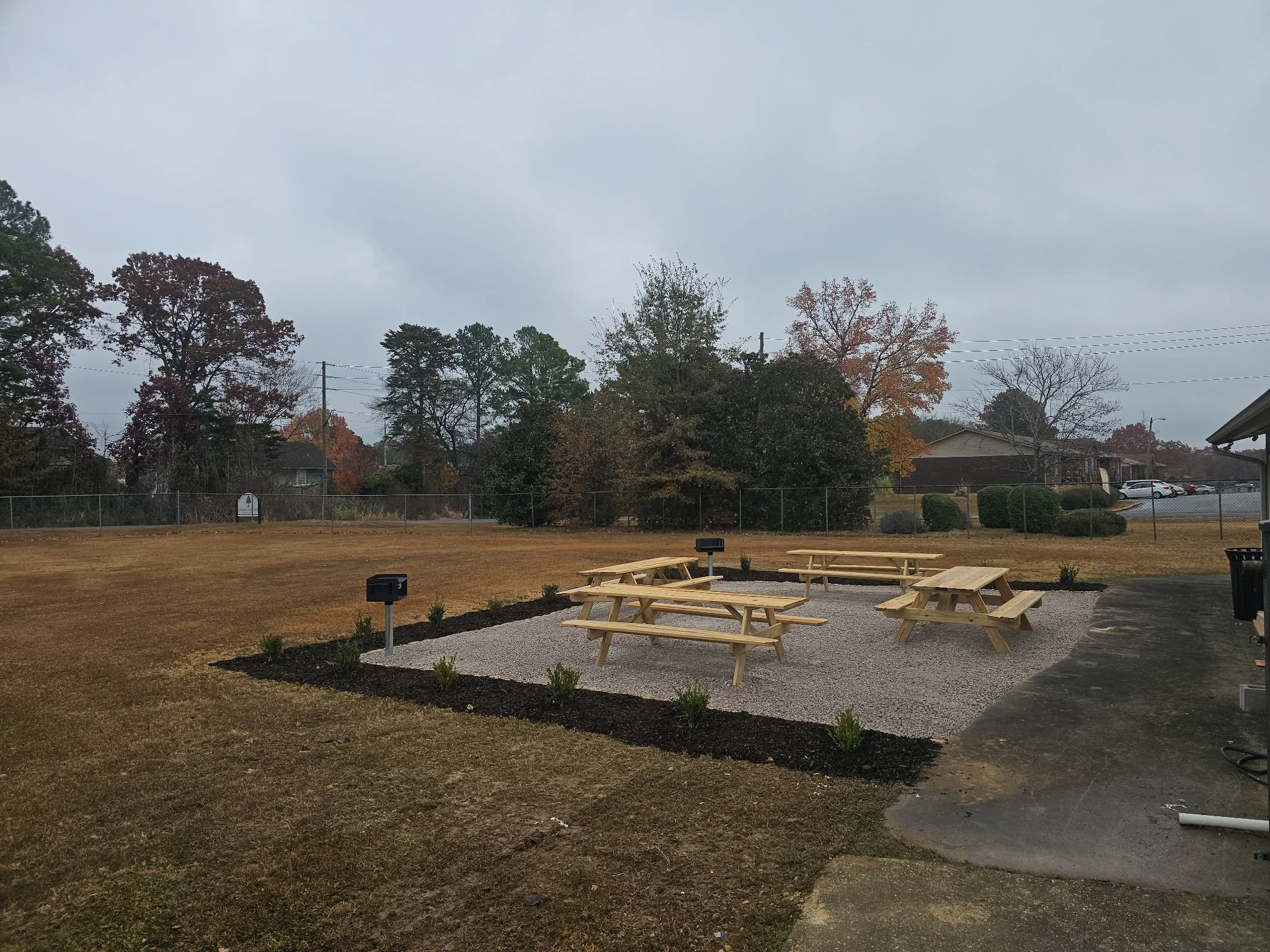
Spotted on a tour and saved for later. Outdoor space like this is on my list for future properties.
Birmingham: what year one taught us
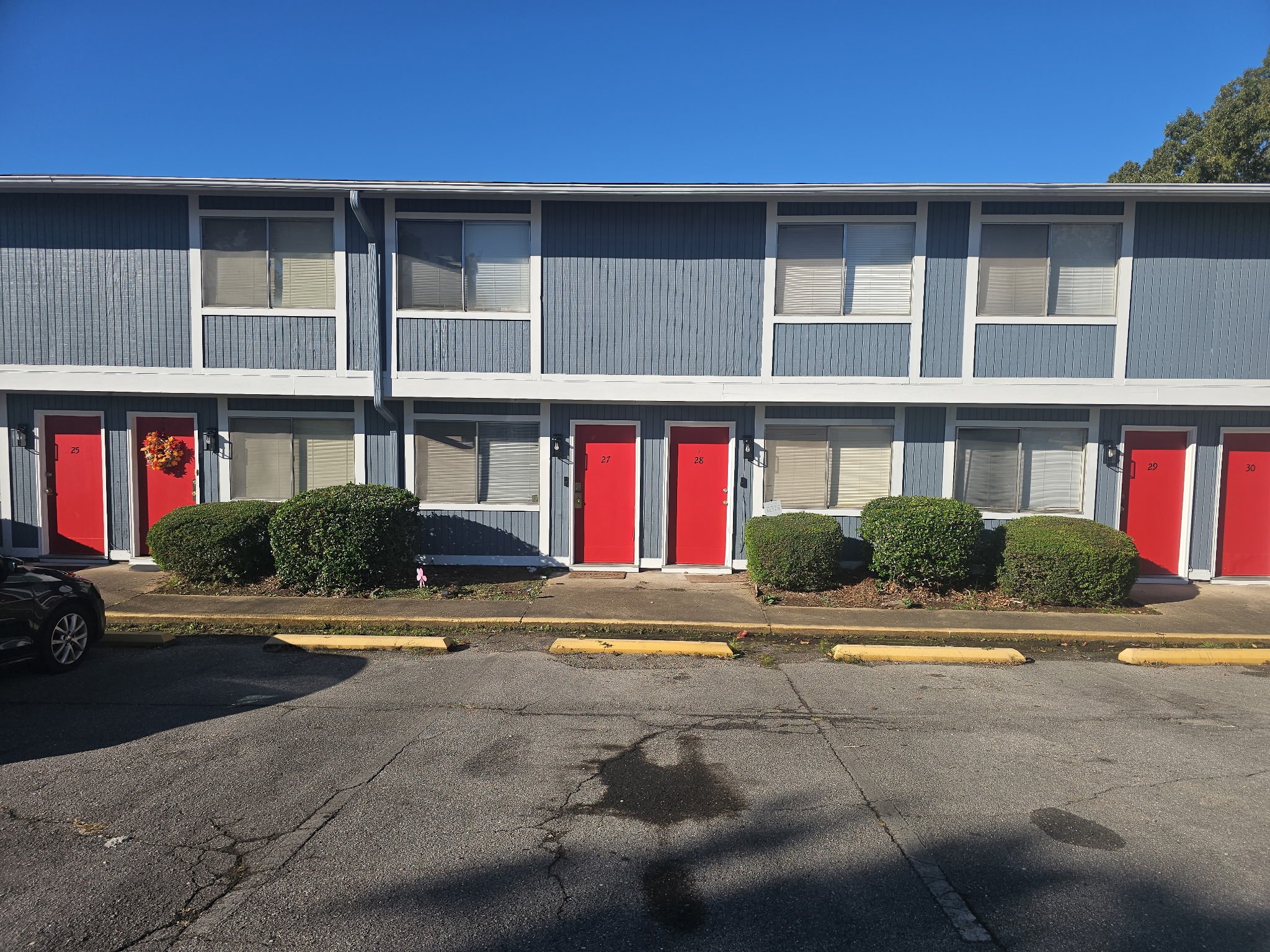
A 40-unit community in a Birmingham suburb, bought in 2025, where I’m the general partner. Our first-year surprise was air conditioners: we replaced 30% of the HVAC units in year one. The weekly report and monthly budget review caught it early, and it changed how I underwrite every building since.
What’s working: a solid base of long-term tenants and very little late rent, which I credit to our property management team. Two-bedrooms usually have a waitlist, while one-bedrooms can sit 30 to 60 days. That’s why my buy box now leans toward two- and three-bedroom units.
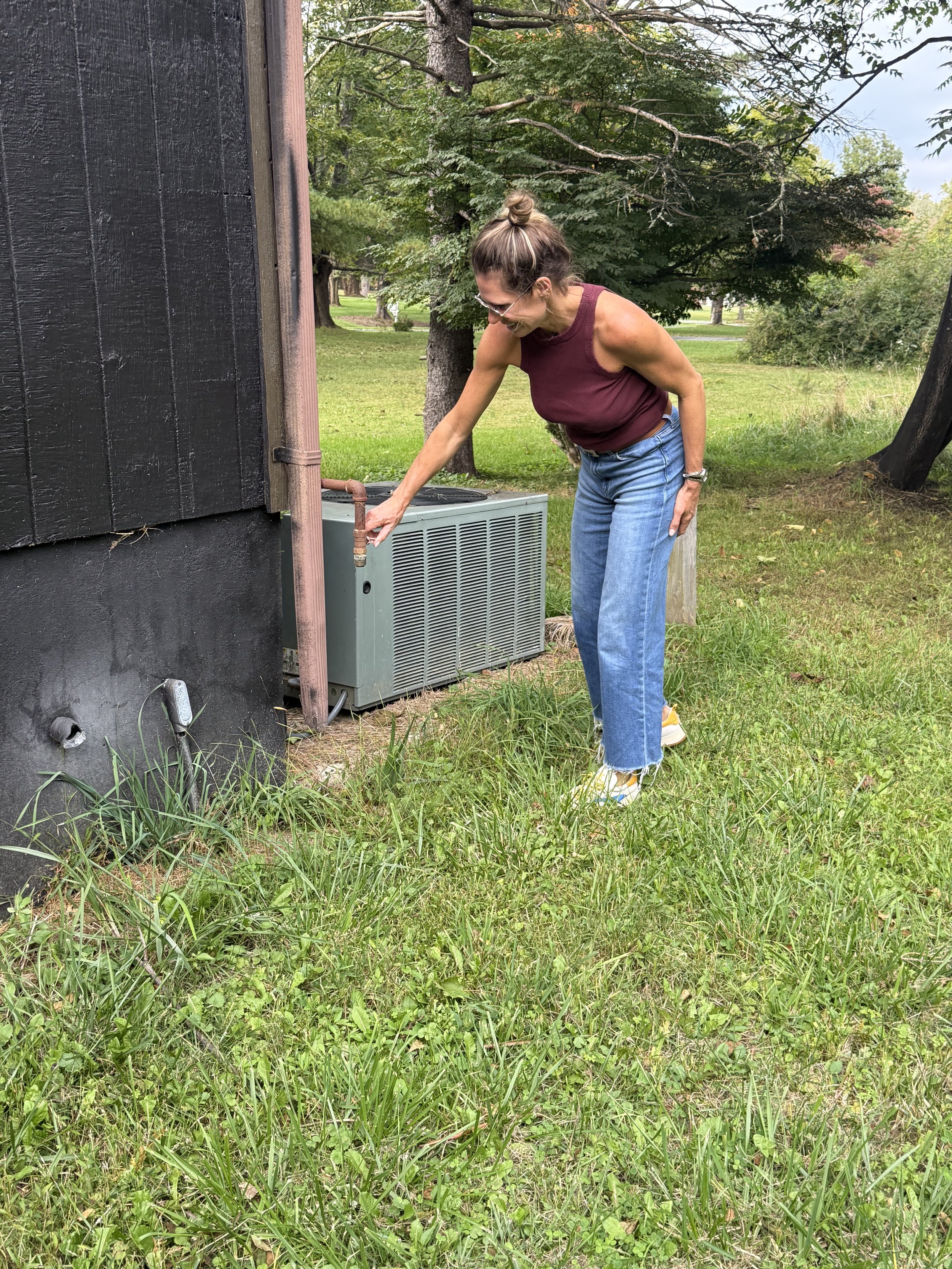
Checking the mechanicals. Old HVAC units go straight into my budget.
Little Rock: one playbook, two markets
An 18-unit property, bought in 2024, that my business partner and I majority own and manage as a joint venture, also on a fixed-rate credit union loan.
It’s where I learned how differently two markets can move. At our last insurance renewals, Alabama came down and Little Rock went up. Similar buildings, same year, opposite directions. That’s why I never assume one market’s numbers apply to another, and why Birmingham, where our property management team is strongest, is where I’m focused.
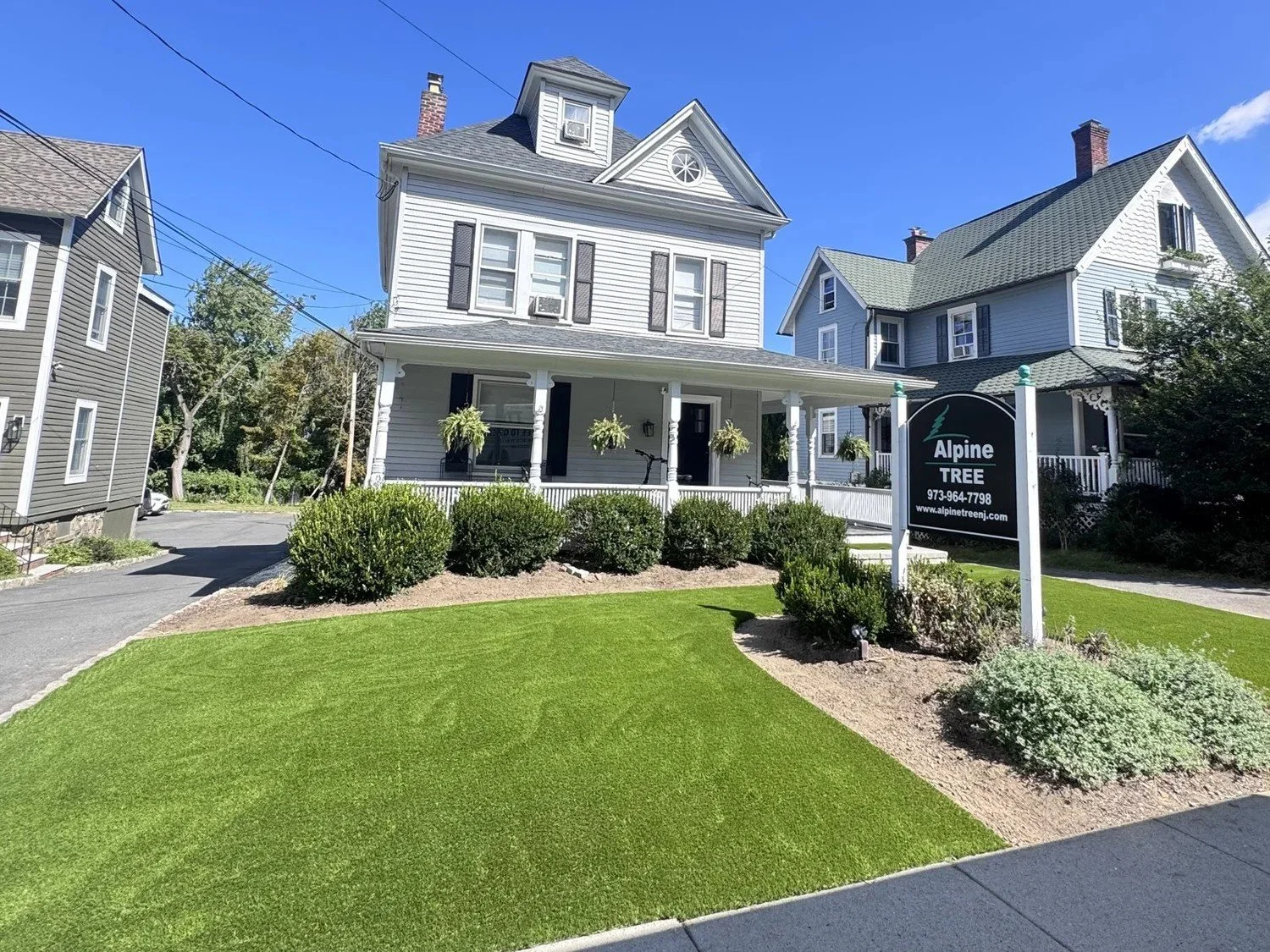
Every building gets the same playbook I brought over from running Alpine, our tree company: a weekly report, a monthly actual-vs-budget review, and people on the ground I trust.
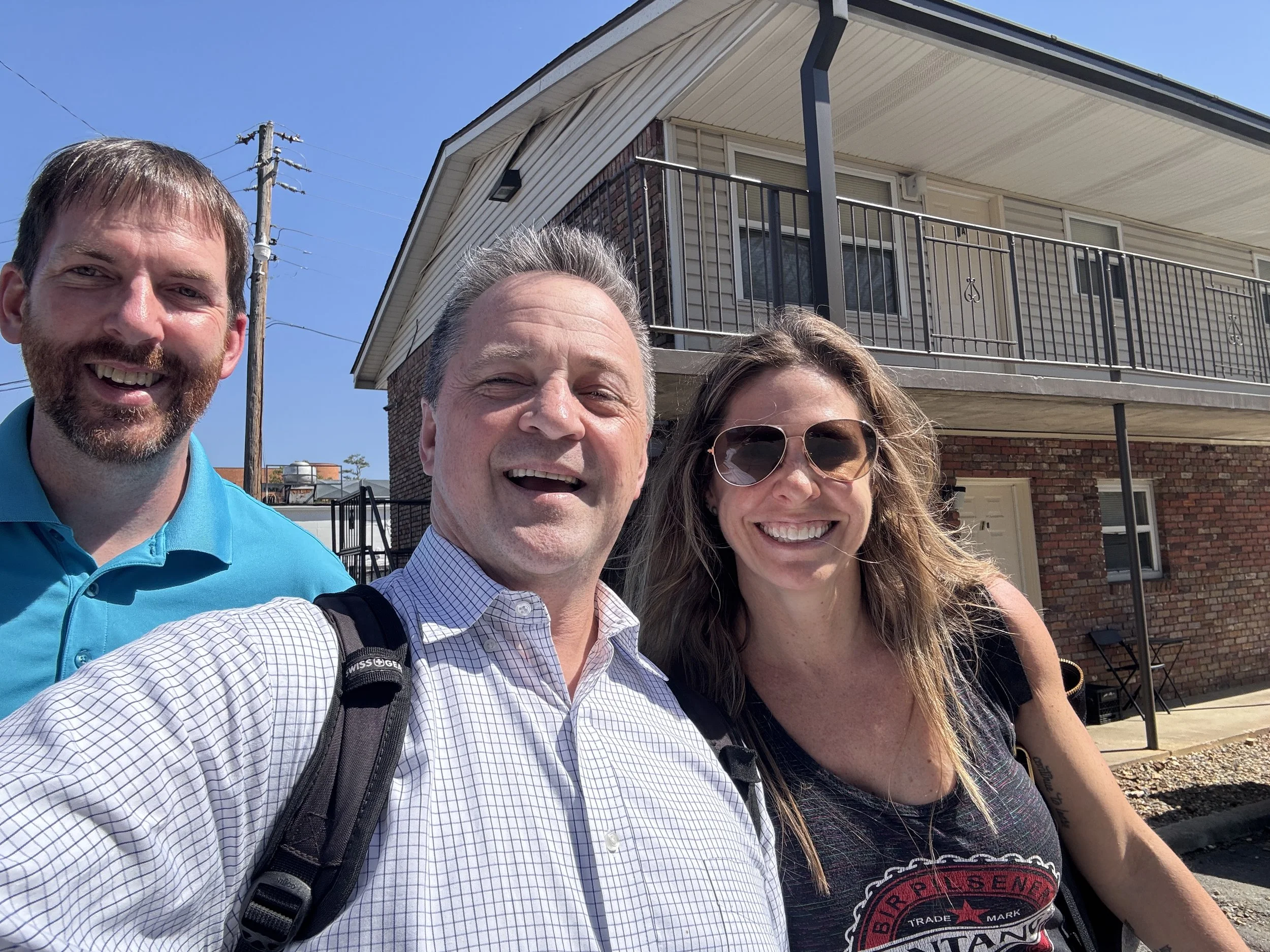
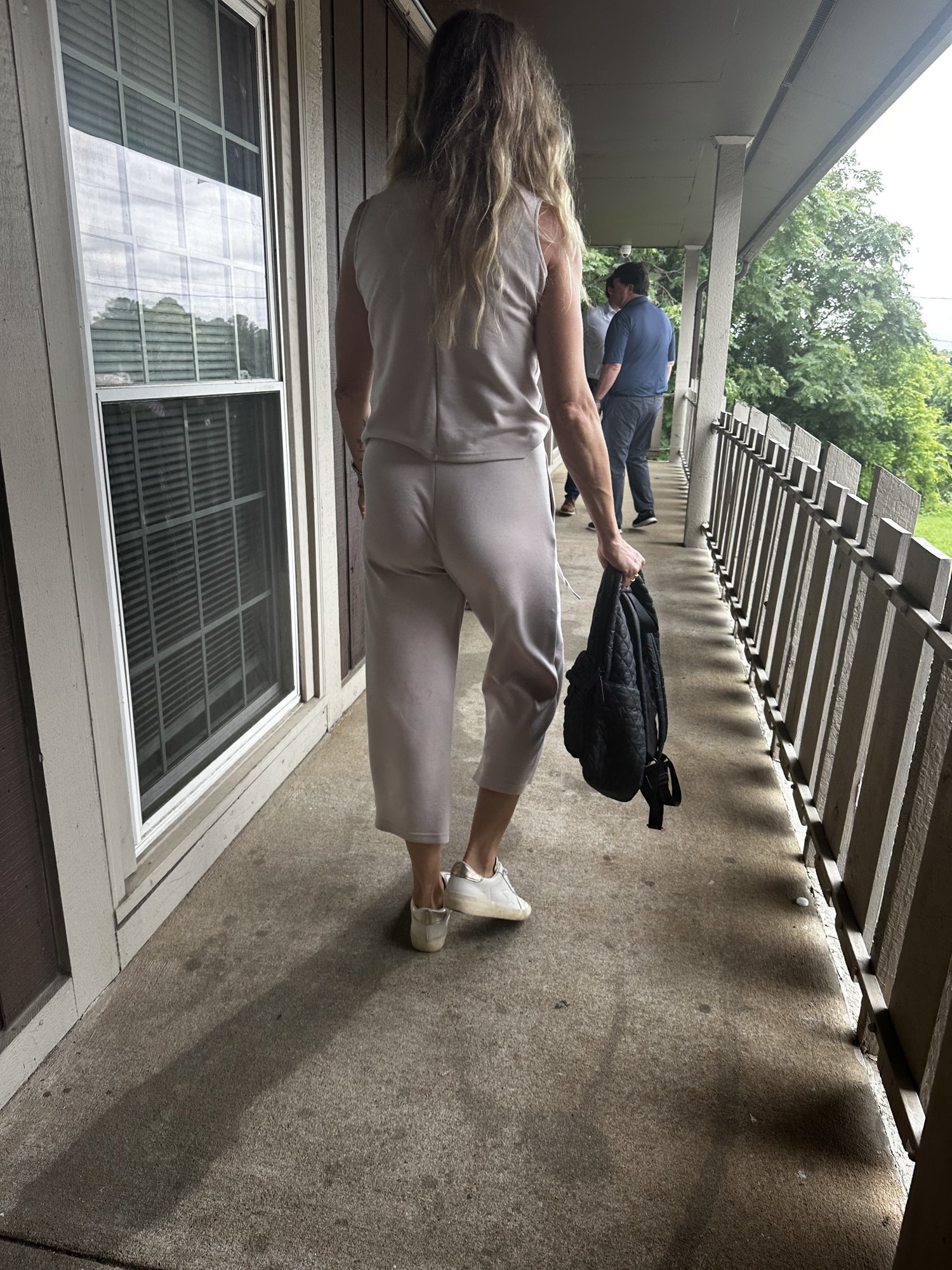
Walking a property with my business partner, our brokers, and our property manager.
Questions to ask any operator, including me
Before you put money with anyone, ask:
Who runs the property day to day, and how often do you see their numbers?
Is the loan fixed or floating, and when does it come due?
How are big repairs paid for: budgeted up front, or out of operating cash?
What happens if occupancy drops 10%?
What’s the worst thing that’s happened on one of your properties, and what did you do?
I’m happy to answer every one. A sewer line, a truck, and an office building have all taught me expensive lessons, and I wrote about each of them in Field Notes.
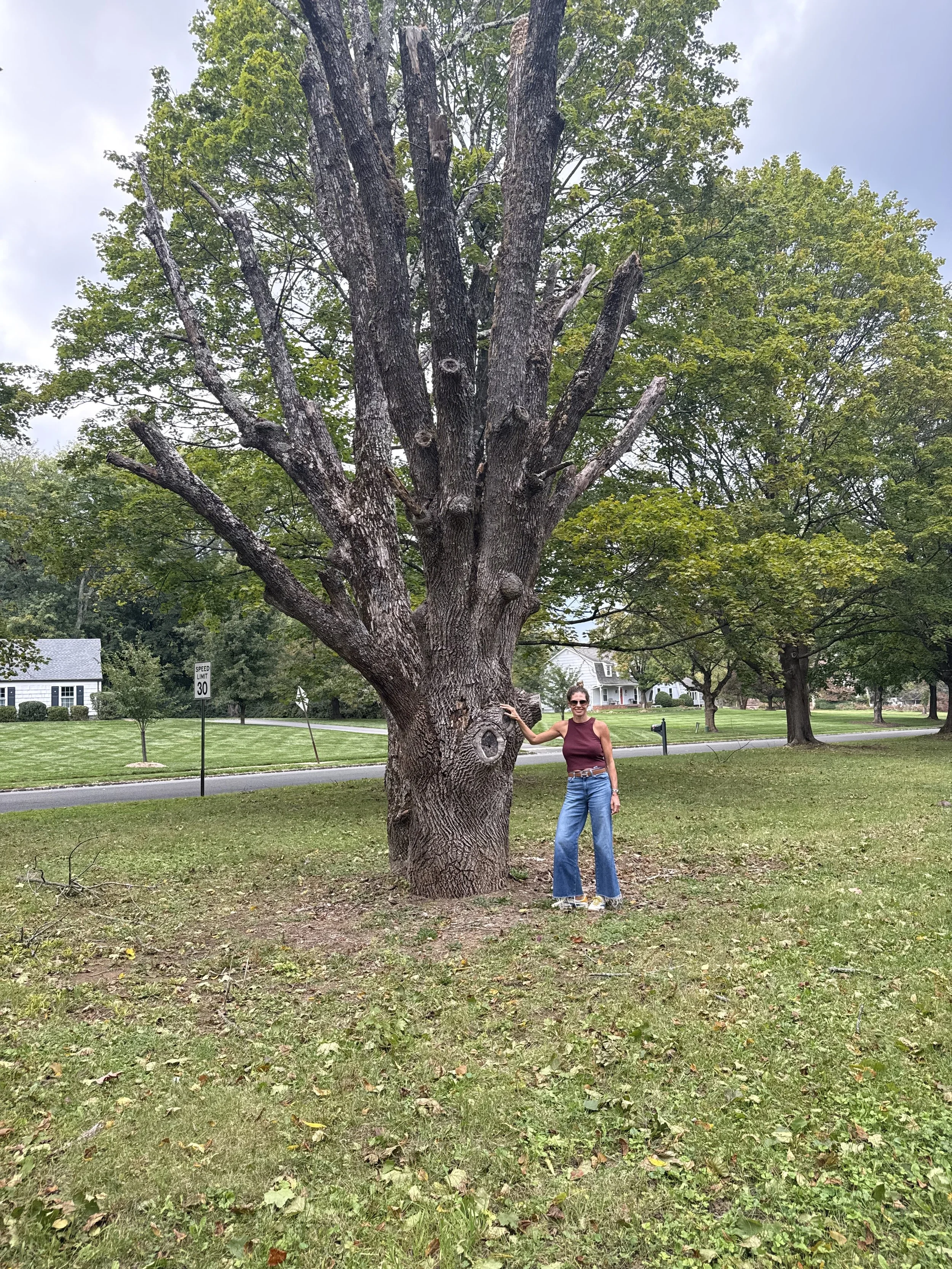
Spotted on a property tour: that tree needs to come down. Too bad Alpine doesn’t work in Alabama.
Interested in investing passively?
Tell me a little about yourself and pick a time to talk. We’ll cover what you’re looking for and how I operate. No pitch: this is how we get to know each other before there’s ever a deal on the table.