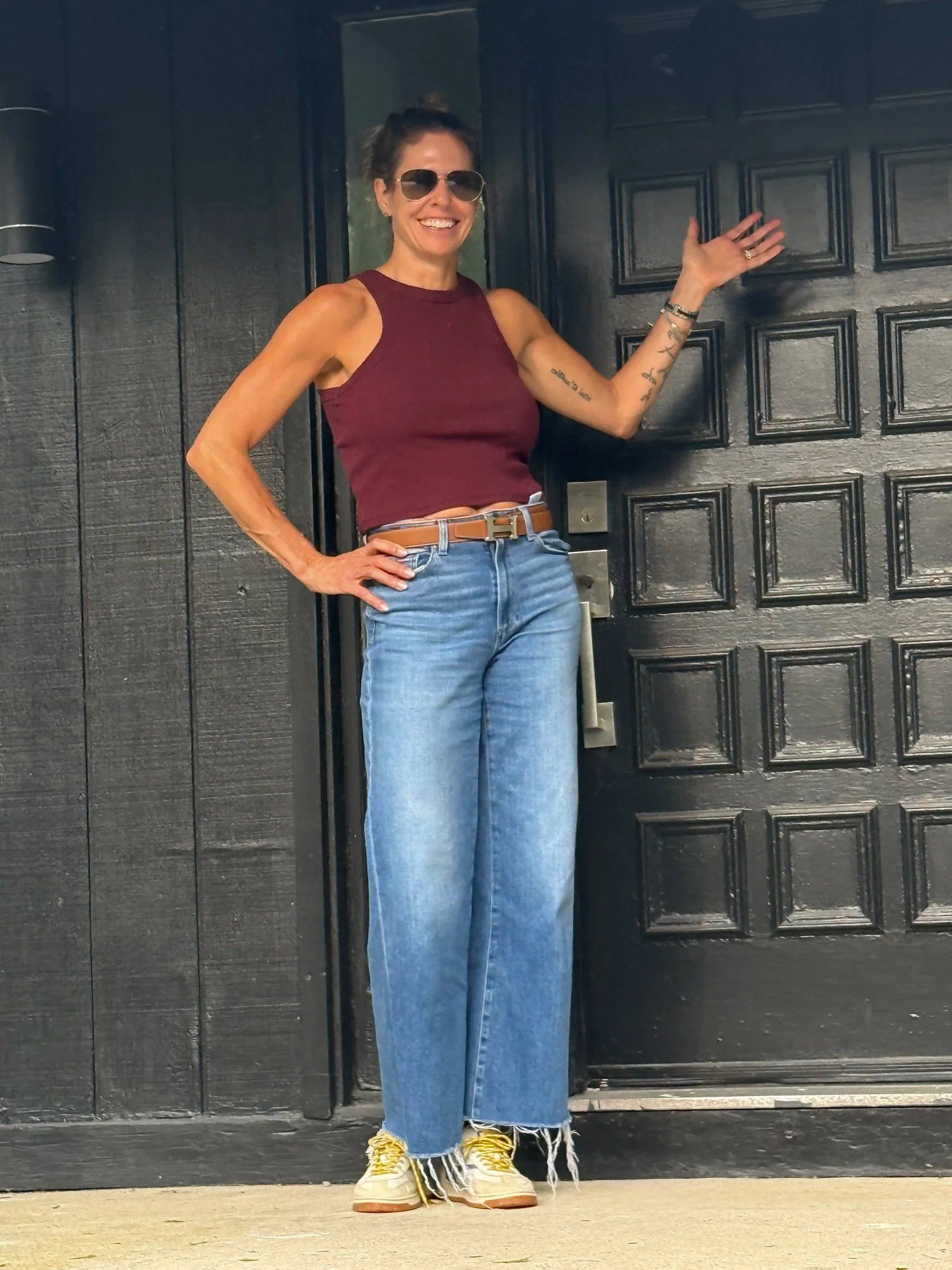
How I invest
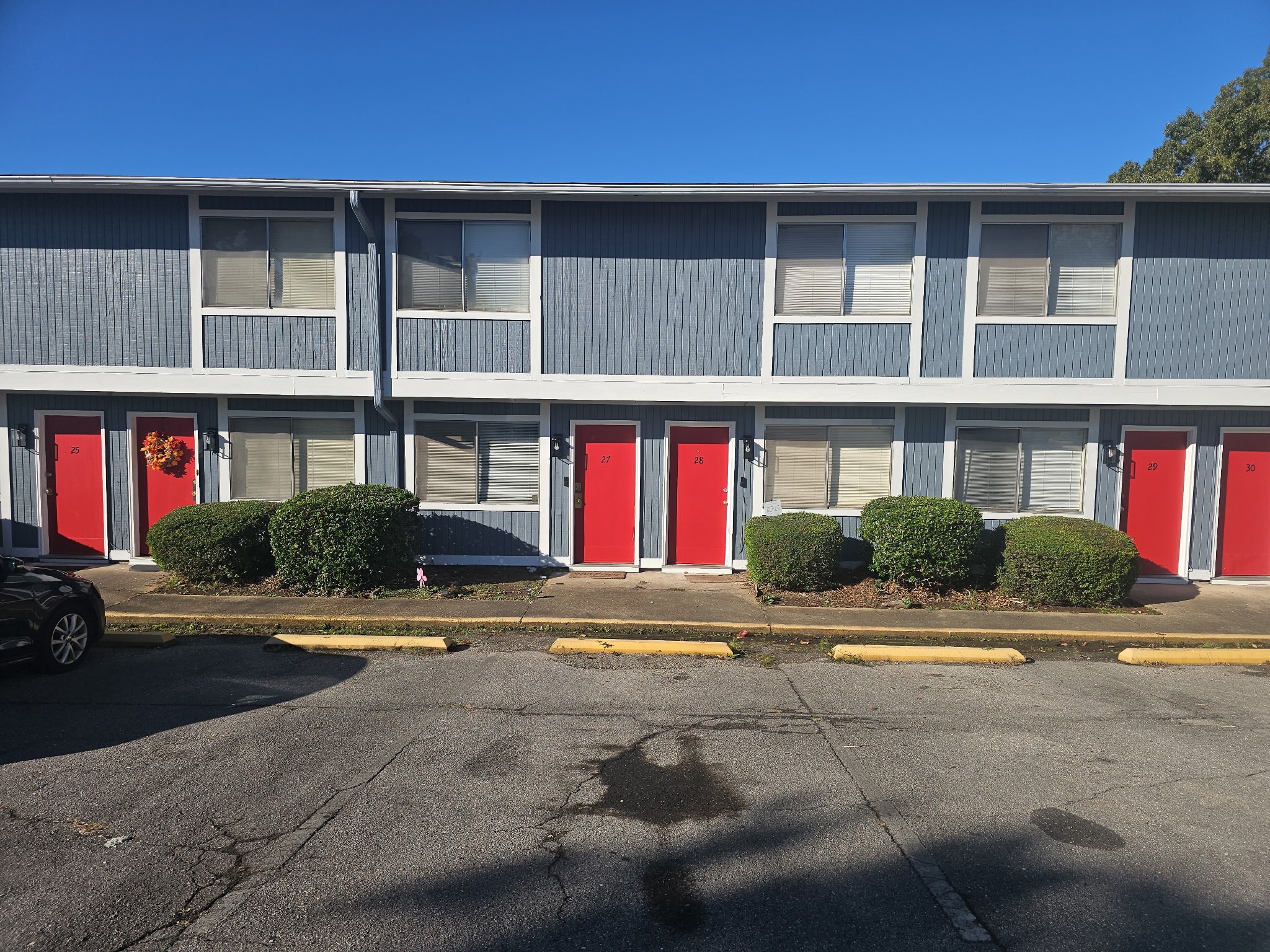
Today I run two apartment communities: a 40-unit in Birmingham, where I’m the general partner, and an 18-unit in Little Rock that my business partner and I majority own and manage. I also own a handful of single-family and small multifamily properties in New Jersey and Northeast Florida. From here on, my focus is Alabama.
How I got into this
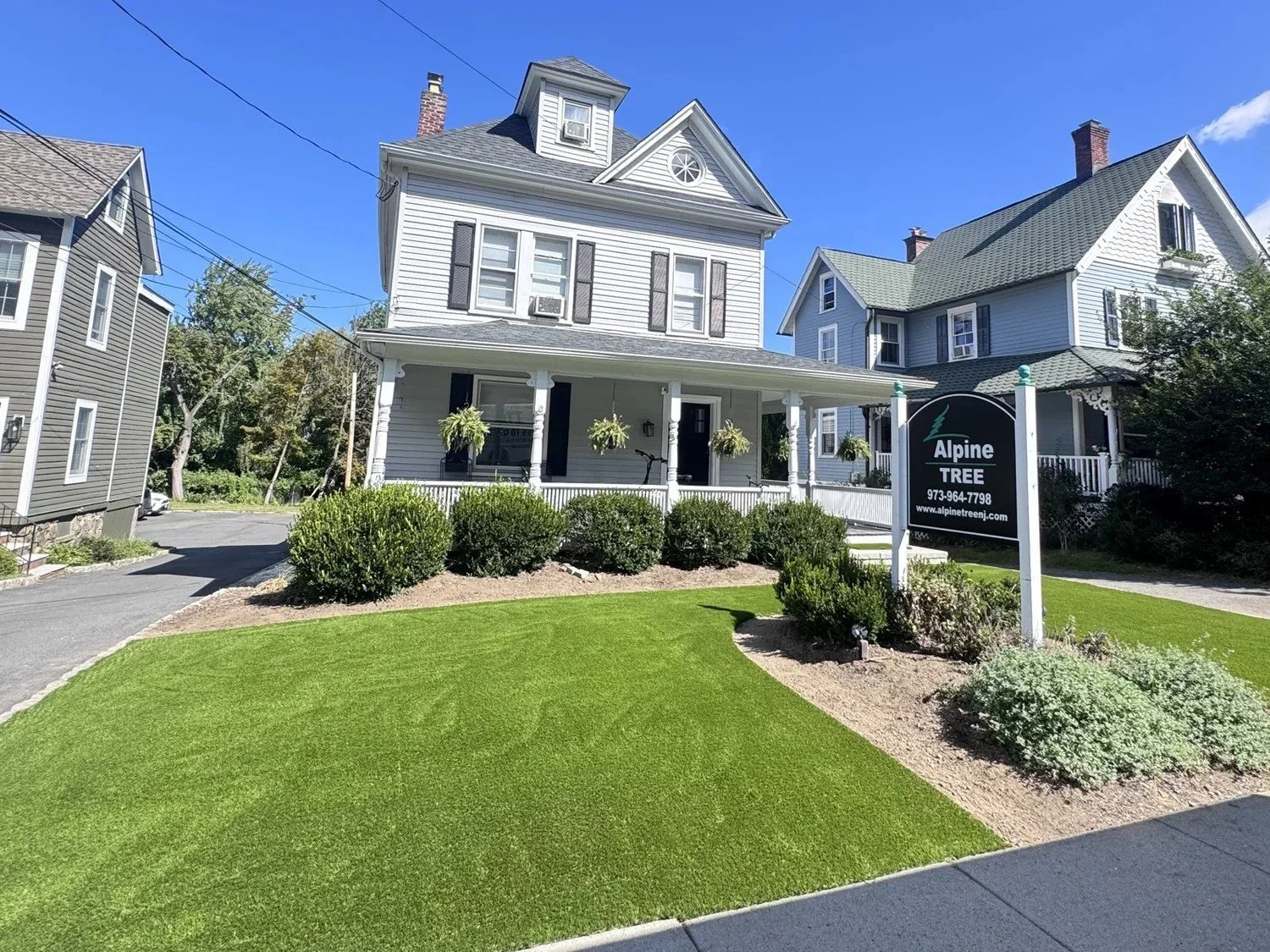
It started because we needed office space. Alpine kept outgrowing every space we had, interest rates were low, and buying our own commercial building seemed like the smart move. Then I looked at the numbers and realized apartments would bring in a lot more than office space ever would. So we gutted the building and put in apartments along with our offices.
What a project that was. Permits and zoning with the town, vetting contractors, trying to keep the budget from getting away from me. You name it, I dealt with it. Luckily, filling the units was the easy part!
You would think that experience would have scared me off. Instead I caught the real estate bug. I flipped a house, then decided I wanted to try short-term rentals, which took me to Northeast Florida. It didn't take long to figure out that being a hostess is not in my wheelhouse. We kept one place that our family actually uses, and I walked away knowing two things. I loved real estate enough to make it a career, and the only way to do that was scale. That meant multifamily.
Why multifamily
After the office building, I tried the smaller stuff: a flip, then short-term rentals in Florida. Every check-in, every turnover, every bad review was mine to handle, and adding more properties didn’t make the work easier. It just multiplied it.
Multifamily flips that. At 40 units, one move-out doesn’t wreck the month, and one management team and one set of systems take care of everybody. It’s the same lesson I learned growing Alpine: you don’t build a service business by doing every job yourself. You build a team and a process, and you keep making them better.
What really hooked me is that an apartment building is a business with a roof on it. Its value is tied to how well it’s run: how fast work orders get closed, whether rent gets collected, whether good tenants stay. A sloppy operator can drag a good building down, and a good one can turn a tired building around. As a business owner, that’s a game I know how to play.
And the people part matters to me. These are families’ homes, a lot of them in B and C neighborhoods where nobody has been paying attention. Fixing what’s broken and treating tenants like neighbors isn’t charity. It’s just running the place right.
Why smaller markets, and why Alabama
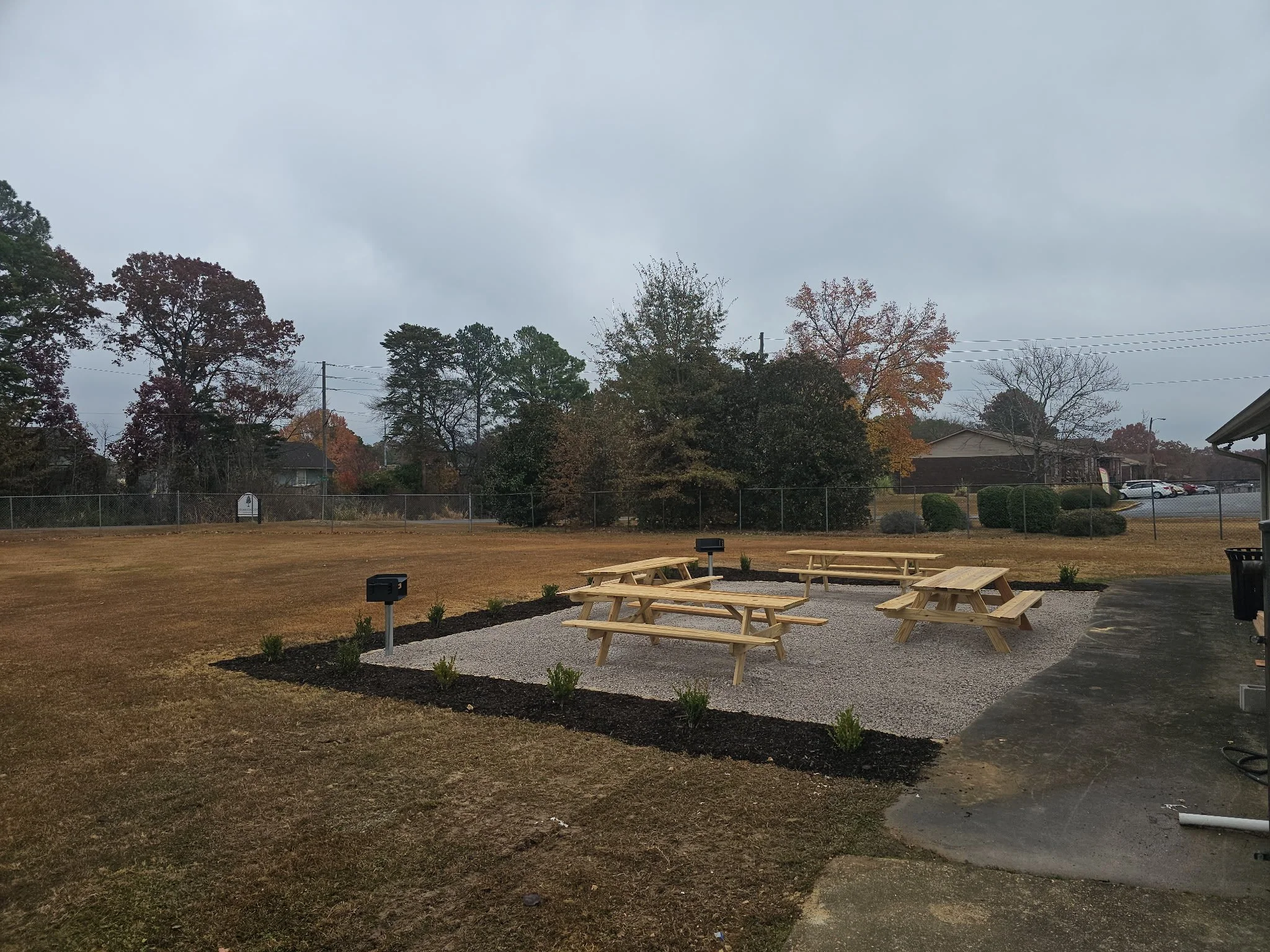
When I started looking at markets, I kept coming back to places like Little Rock and Birmingham, where you aren't just a number as an investor. People welcomed me for tours and site visits. They shook my hand, drove me around neighborhoods, and spent hours talking through properties and how to underwrite them.
I'm not looking for the hot market. I want steady markets that have held up over time, where you can actually see change happening and still buy in at a reasonable basis. Places where there's room to come in, fix what's broken, and provide good housing in B and C neighborhoods.
Alabama is where all of that came together for me. Most people up here hear "Birmingham" and picture something from thirty years ago. What I found is kind, honest people and a culture that runs on relationships. The change I see on the ground is real. It isn't just talk at a planning board meeting, and it's being done thoughtfully. I haven't seen that anywhere else I've looked. Add in major employers, a big university medical system, a lower cost of living, and a business-friendly climate. There's enough inventory to grow, but it's still a small enough market that deals happen through relationships with brokers and locals.
And honestly, the biggest reason is my team. My property management team in Alabama treats every property like it's their own. They're honest, they're ethical, they're wonderful with our tenants, and they work incredibly hard. They want to grow and keep learning, and we have a really solid working relationship. I wouldn't be focused on Alabama without them.
What I look for
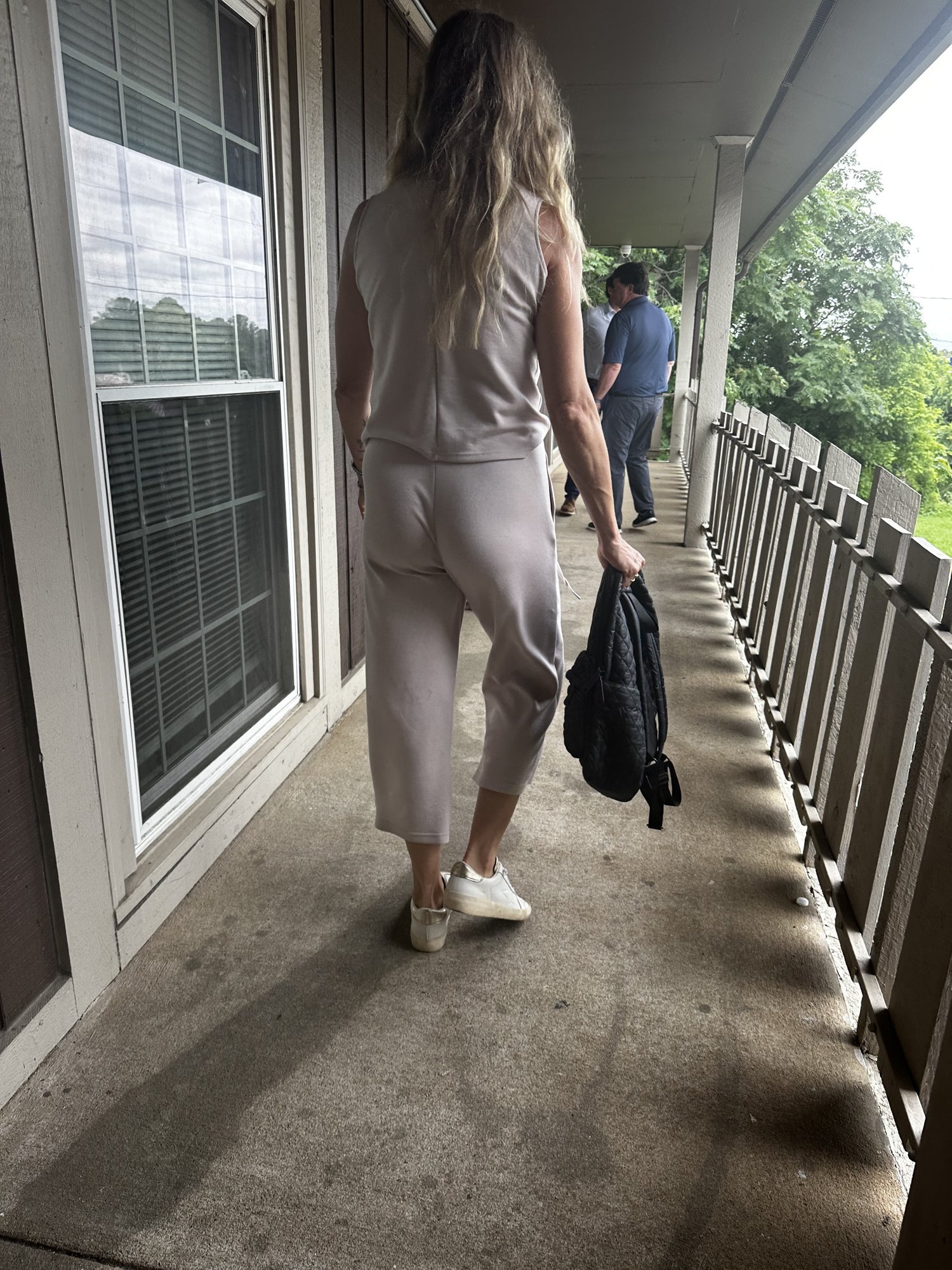
I like buying properties that have operational problems. That's where I can come in and make a real difference, whether it's renovating units, cleaning up vacancy and bad debt, or just running the place the way it should be run.
On the property itself, I look for mostly two- and three-bedroom units with more than one bathroom, 900 square feet or bigger. I love townhomes. I like residential neighborhoods with green space and room for community areas. The street can't have high crime, and if I'm looking to house families, I look hard at the school district.
How I find and vet a deal
Where deals come from. Brokers, sure. But some of my best leads come from other investors passing on something that doesn’t fit their buy box, from off-market conversations, and from my property management team, who hear about buildings before anyone lists them.
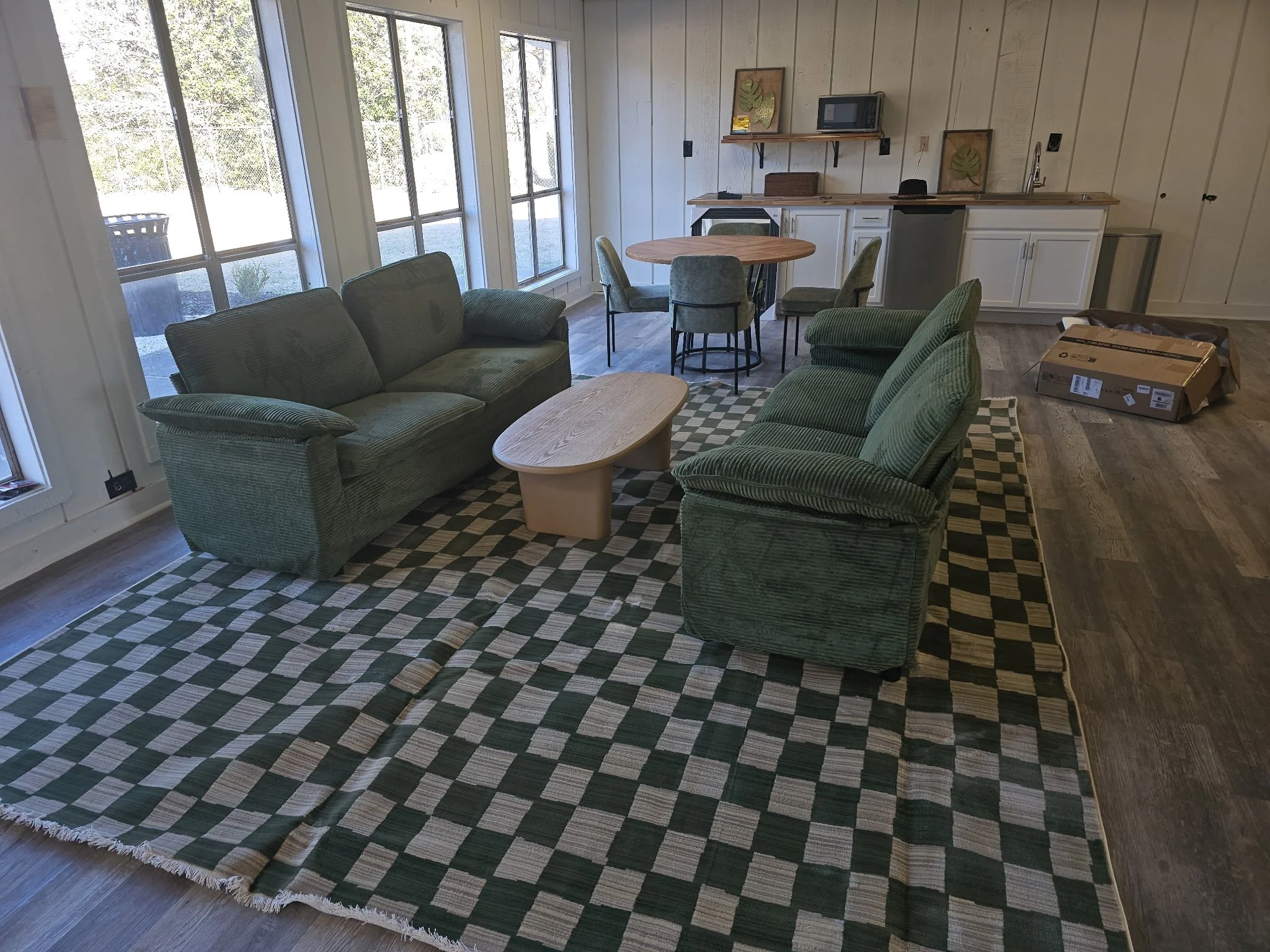
What I check in person. Everything I can: the units, the roofs, the mechanicals, the parking lots. I walk all the way around the building. Then I drive the neighborhood during the day. Are people heading to work, or just hanging out? Is there drug activity? A rent roll can’t tell you that. A Tuesday afternoon can.
What makes me walk away. Crime. Fire damage. Foundation problems. A building full of current evictions. And a history of major sewer problems, unless the seller can prove it was fixed. I paid more than $30,000 to learn that last one.
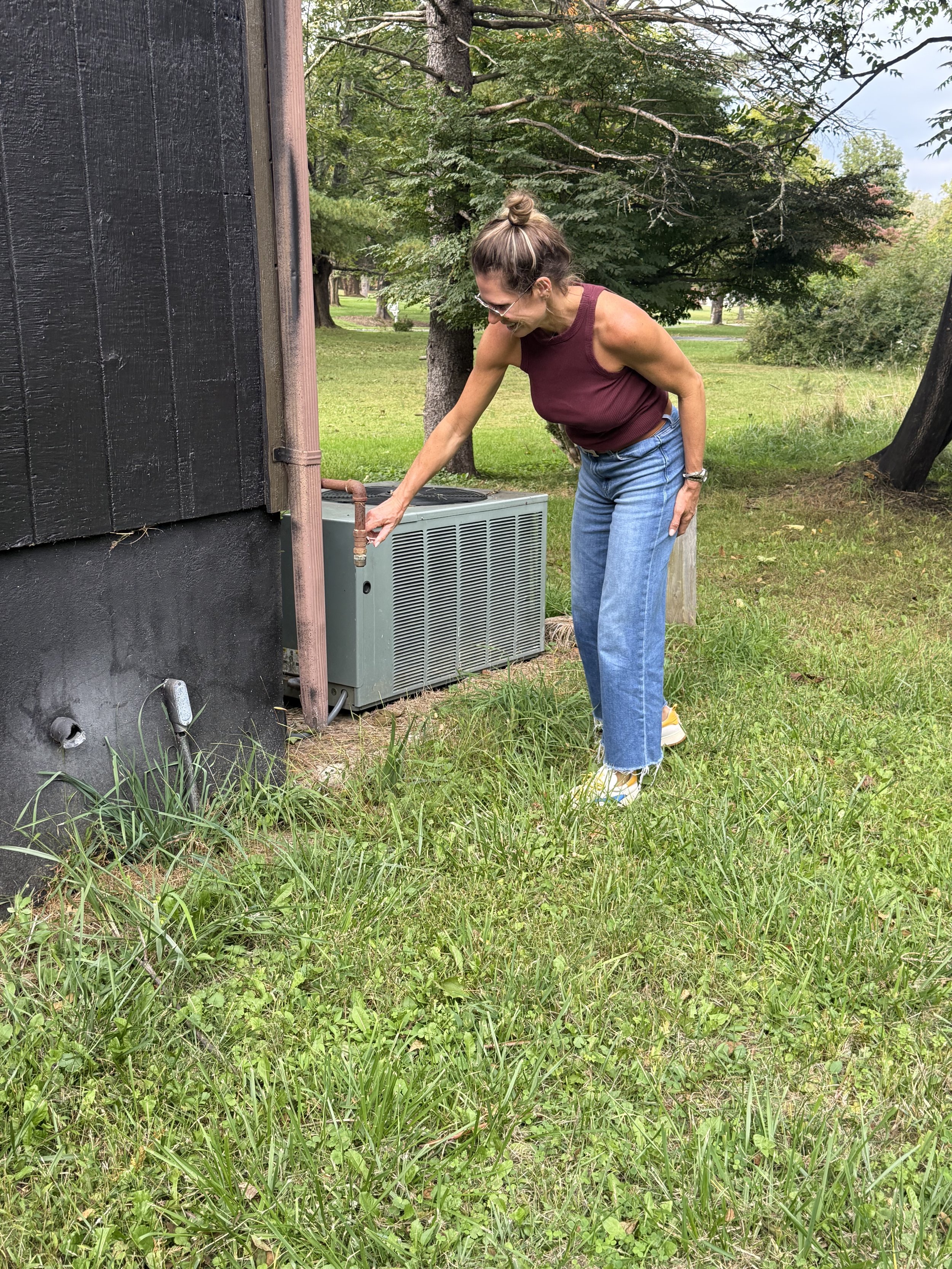
Checking the mechanicals. Old HVAC units go straight into my budget.
How I underwrite
Management over the pro forma. A spreadsheet will say whatever you want it to. I want to know who answers the phone, how fast work orders get closed, and whether the property manager tells me bad news early or late.
What they're really spending. I compare a property's current expenses against my own numbers, which come from my actual properties, my own research, other owners I know in Alabama, and my property manager's experience. Most of what I look at is either spending way too little, which tells me there's deferred maintenance and I underwrite for it, or spending way too much. When it's too much, I dig into the categories that are high, figure out what the actual problem is, and work out how I'd fix it and how long that would realistically take.
The problem that shows up later. Every property has one: the roof, the sewer line, the deferred maintenance somebody painted over. I'd rather find it before closing than after. I budget capital expenses for the whole time I plan to own the property, and I don't count on pulling that money out of operating reserves. If the HVAC units are old, I put 25 to 50 percent of the replacement cost into the budget from day one.
Why the seller is selling. How motivated a seller is, and why, tells me a lot about how much room I have to negotiate as well as what the current state of the property likely is. Sellers who ran out of money a year ago are likely not keeping up with maintenance or collections.
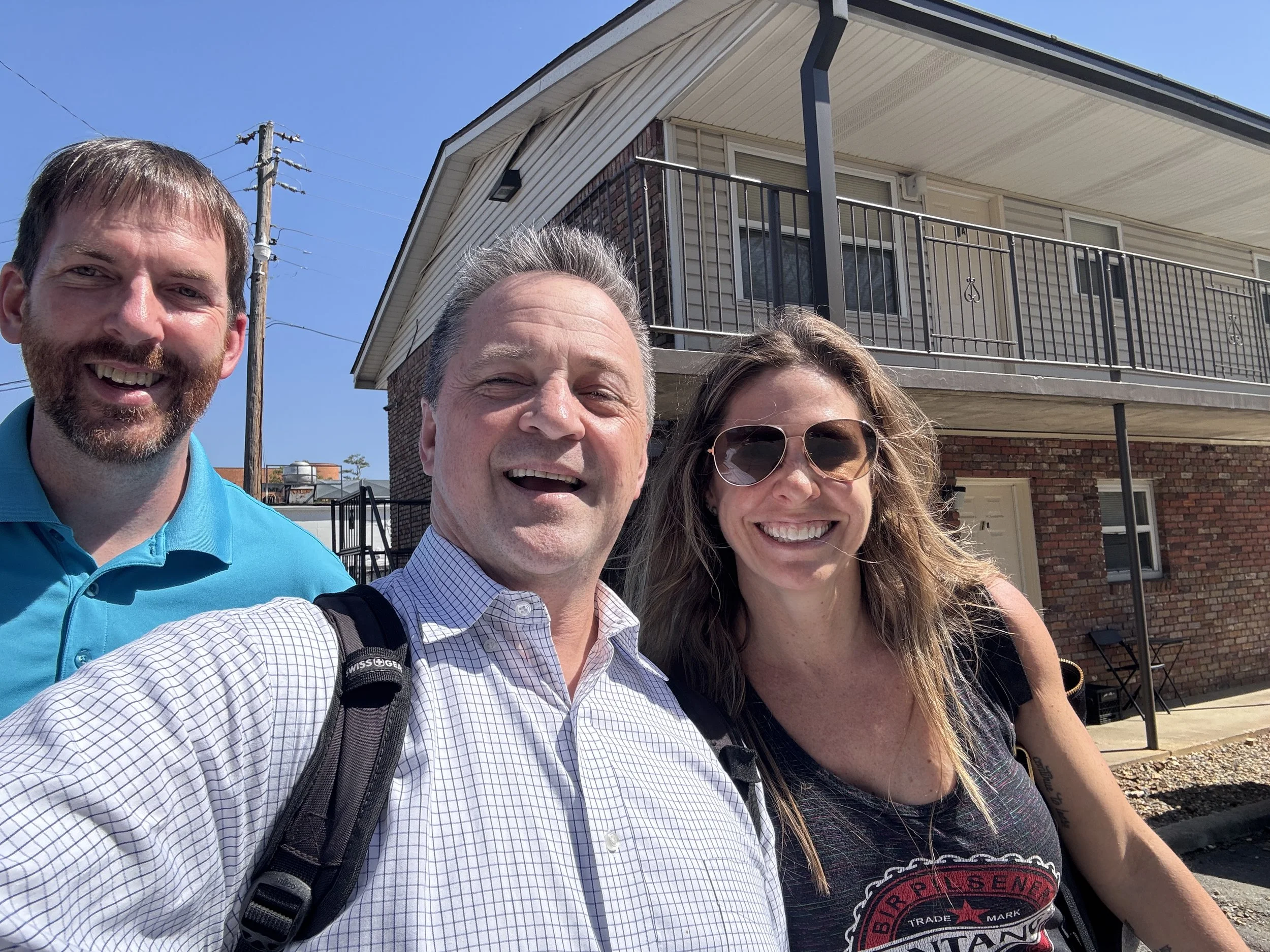
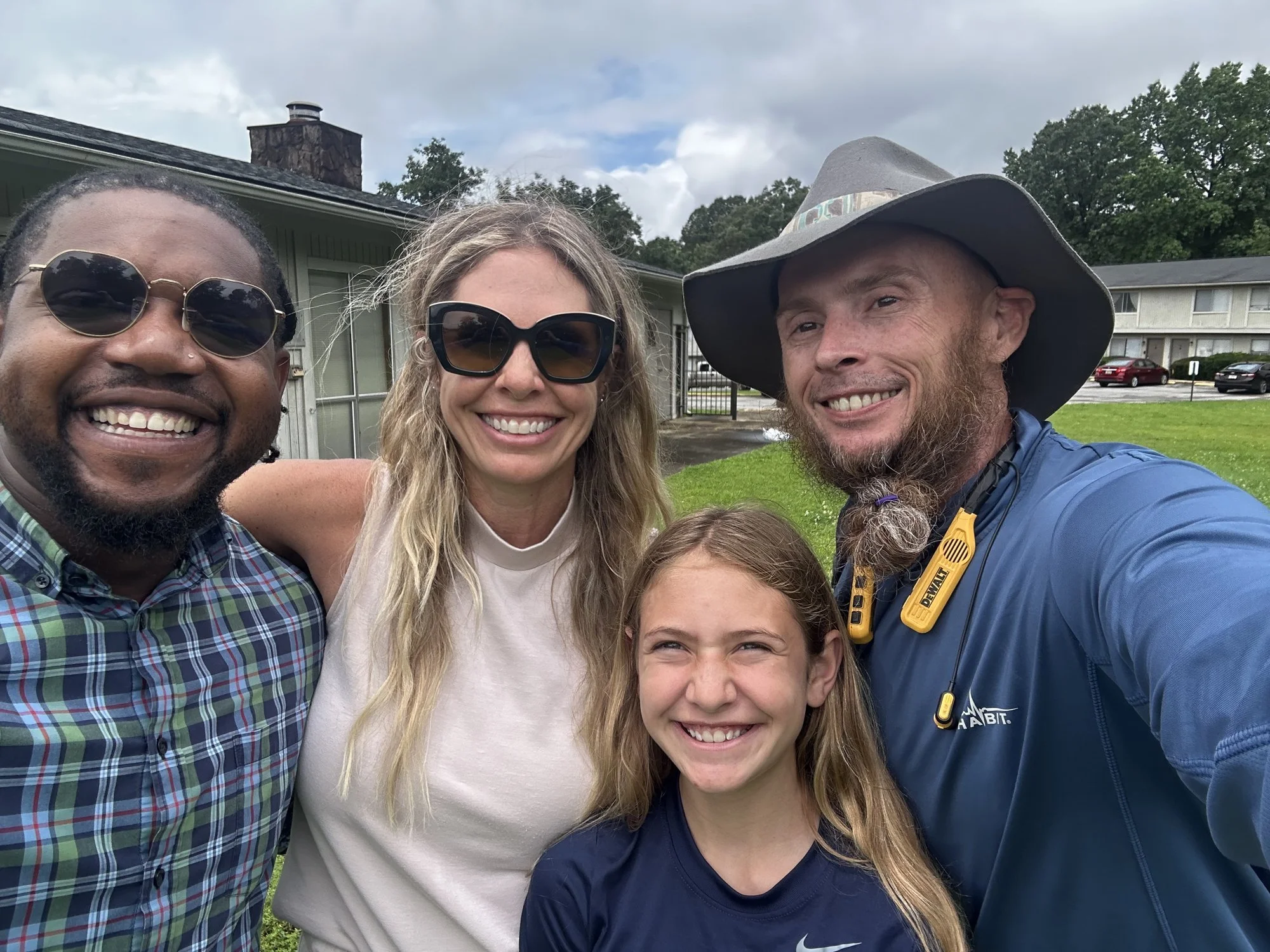
Walking a property with my business partner, our brokers, and our property manager.
What owning in four states taught me
Figure out your property management options before you pick a market, not after. The team can make or break you.
Go see it in person. Tour the market, drive the neighborhoods, meet your team face to face, and walk the actual property. What's really happening on the ground isn't always what the city says is happening.
Know what it really costs to own there. Every market comes with its own expenses: property taxes, insurance, the weather and what it does to a building, and what materials and labor cost for renovations and capital projects. I learned that in Florida. After we bought, the county reassessed the property based on our purchase price, and the taxes jumped from $5,198 to $7,169 a year. Make sure you understand how and when your market reassesses, and underwrite the taxes you'll actually pay, not the ones the seller was paying. A deal that works on paper in one state can fall apart in another if you don't understand those numbers going in.
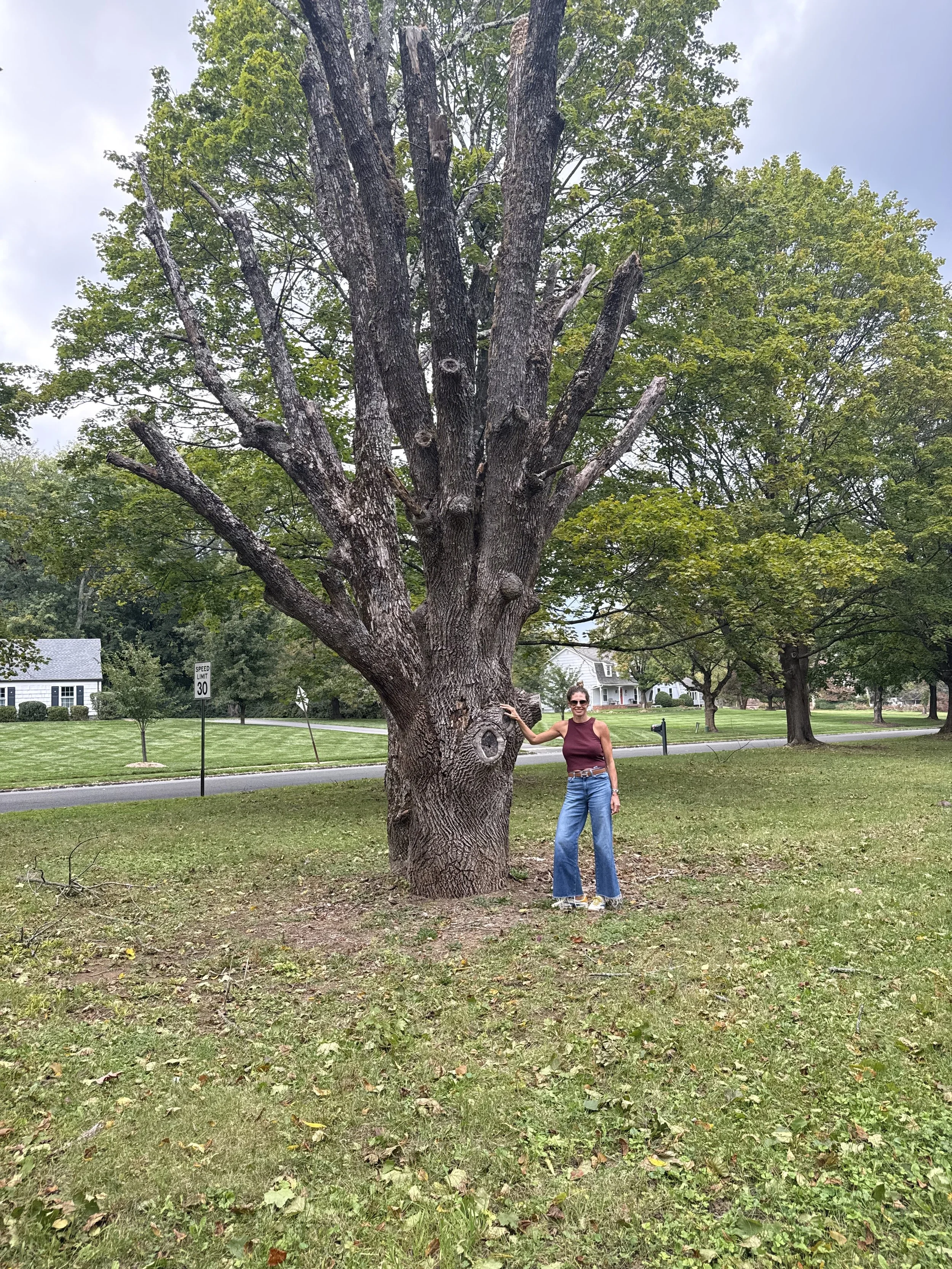
Spotted on a property tour: that tree needs to come down. Too bad Alpine doesn’t work in Alabama.
Own a business and thinking about real estate?
I’m always happy to compare notes on running a company, picking a market, or what I’ve learned owning apartments in Alabama and Arkansas. My door’s open.