
My oldest daughter and I just spent five days driving the Southeast looking at colleges: seven cities across Georgia and the Carolinas. Because I can’t go to a new city without looking at real estate, she also got a crash course in market research she did not sign up for. 😆
I’m not shopping for a new market. My focus is Alabama, and it’s staying there. But I wanted three things from the trip besides campus tours: teach her how I size up a place, see what’s happening in markets other than mine, and bookmark a few for someday.
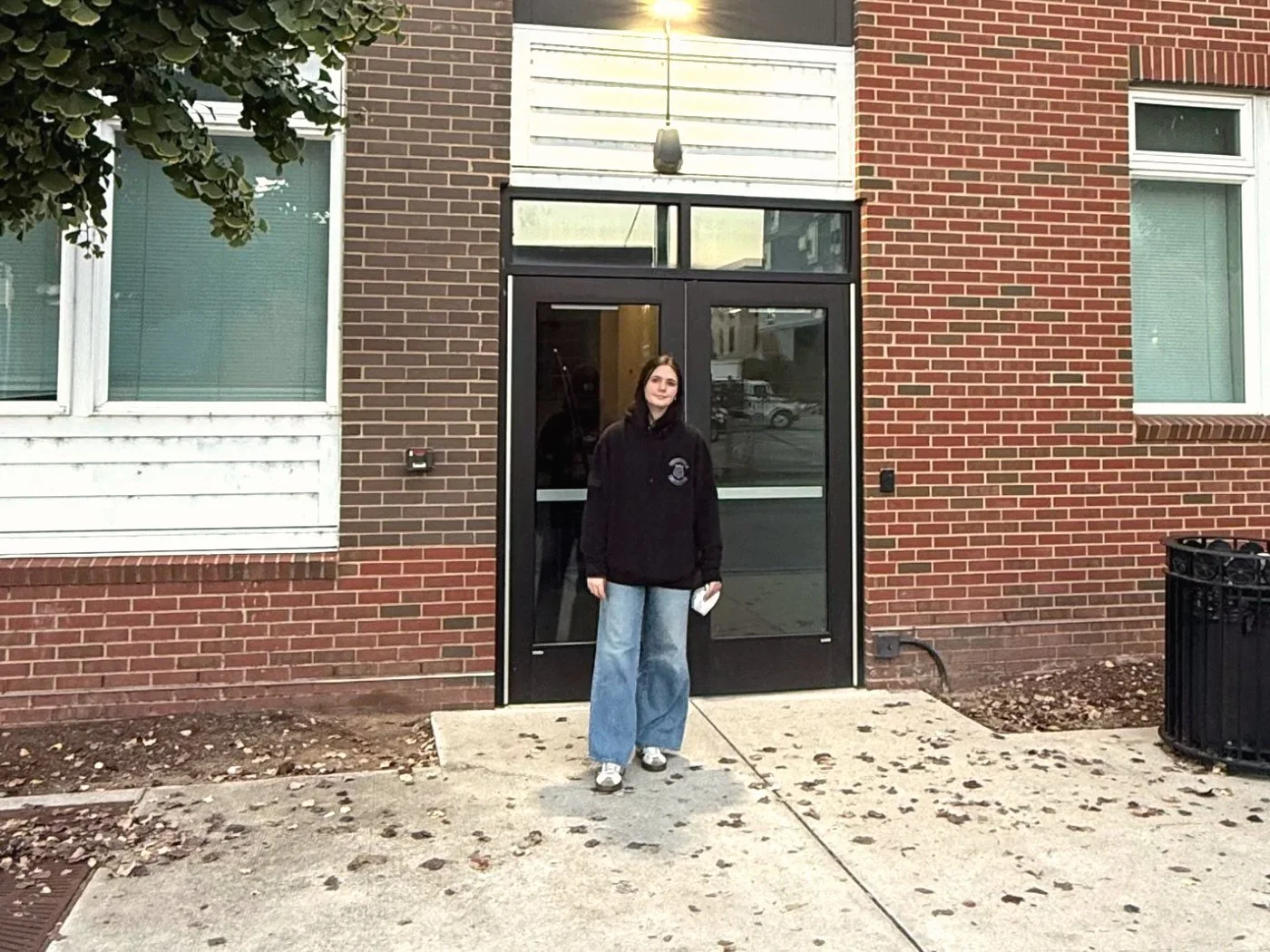
My daughter outside one of the properties for sale we toured while we were in town.
“Look at what’s around you”
We drove up and down streets, and I kept pointing. Are there empty storefronts? New construction? Who’s opening here? Are the apartment complexes hanging banners for free rent?
The banners are the ones I care about most. A free-rent sign doesn’t mean much until you know which units it’s on. In our Birmingham building, the two-bedrooms usually have a waitlist while one-bedrooms can sit 30 to 60 days. A special on one-bedrooms in a part of town full of new buildings is normal lease-up. A special on everything, at an older building with nothing new around it, means the building can’t keep people. It’s the same banner telling a completely different story.
The biggest thing we saw was where the money is going. Spartanburg, South Carolina, had new construction everywhere: apartments, plus retail and office going up downtown. In Macon and Greensboro, the building was happening in some parts of town and not at all in others, sometimes a few minutes apart. Developers and national chains spend serious money deciding where to build. When you can see where they’re betting, you can see which direction a city is growing, and which neighborhoods it’s growing away from.
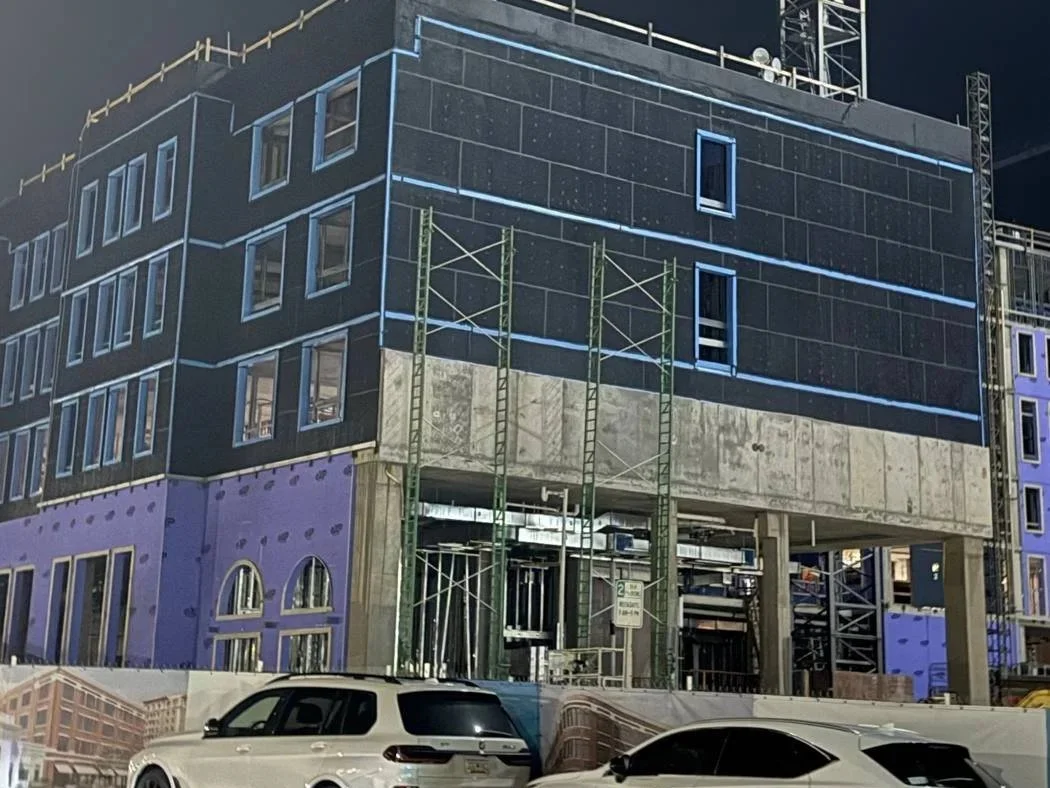
Follow the cranes. Where developers are building tells you which way a city is growing.
None of that tells you whether something is a good investment. It tells you what to ask next. You get the answers by stopping and asking: a leasing office, a server at lunch, the person at the hardware store.
Somewhere along the way, she started noticing the difference between the brand-new complexes and the older ones, and asking who lives in each. That’s the right question. The new buildings with the pools and coffee bars are charging top rent to people who can pay it. The older, well-run buildings are where nurses, teachers, tradespeople and young families live. That second group is the part of the market I buy in.
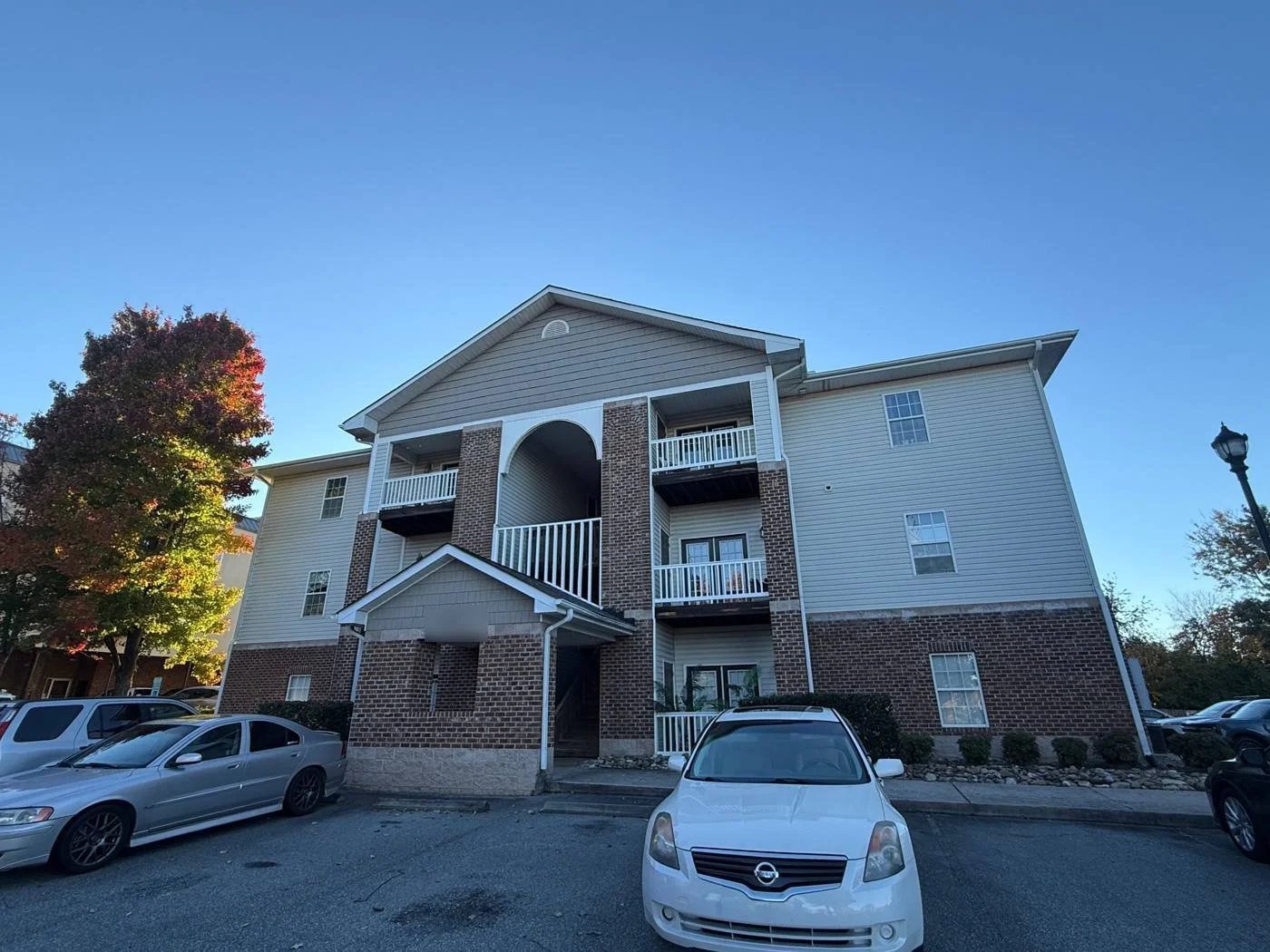
Older, well-run buildings like this one are the part of the market I buy in.
The bill with a date on it
Touring colleges makes tuition real, fast. It also made me look at our own real estate differently.
Some real estate pays you along the way. Rent comes in, the bills go out, and what’s left shows up every month. Some pay you mostly at the end: you buy in a growing area, or buy something that needs work, and the payoff is what it’s worth when you sell or refinance. Most buildings are a mix, but every plan leans one way.
Neither is better. The real question is when you need the money.
For my oldest, the money is coming from investments we made years ago, long before tuition was on anyone’s mind. For the younger ones, I’m doing it on purpose. I’m lining up how long I hold properties so a sale lands close to when a big tuition check is due.
That works, but only if you’re honest about what can go wrong. A sale timed to a tuition date depends on the market being decent that year, and you don’t get to pick the market you sell into. Money that comes in along the way doesn’t have that problem, but it rarely adds up to a big check on its own. So whichever way you lean, you need a plan for the year. The timing doesn’t cooperate.
My backup is not betting on one path. I own some properties that pay along the way and some that are built to pay at the end, so a soft year for one doesn’t sink the plan. And refinancing isn’t a lever I get to pull just because a tuition check is due. On the buildings I own with partners, when to refinance or sell is a decision for the deal, not for my family’s calendar. If your money is in anything you don’t fully control, the same is true for you: the exit date isn’t yours to pick.
If you own a business, you already live this. A big job that pays when it’s finished is great, but it doesn’t make payroll on Friday. You need some work that pays along the way and some that pays big at the end, and you’d better know which is which before the bills come due.
So before I put money into anything, a building, a business or anything else, I ask three questions:
When do I actually need this money?
Does this pay me along the way, or at the end?
If the end comes later than planned, what happens to everything that was counting on it?
Picking a school is a little like picking a market
Somewhere around the third city, I realized I was sizing up the colleges the same way. The campus is the building. The city around it is the market. What employers are there? Where could she intern? Do graduates stay, or does everyone leave the week after commencement? A great building in a market people are leaving is a hard place to be, and I’d guess the same is true of a great school in a town with nowhere to go after it. Those are her questions to ask now.
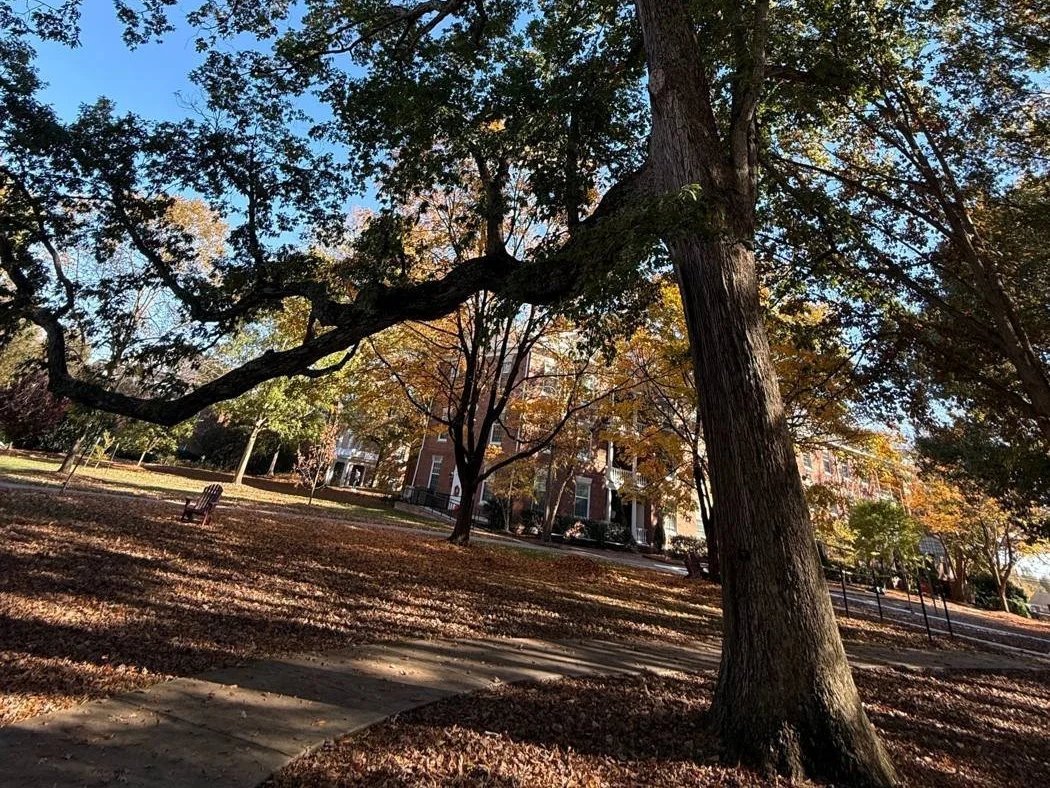
Campus tour, tree-company brain. I can’t walk past a tree like this one without stopping.
We went to look at colleges. We ended up talking about money, timing, what makes a city work, and what she wants her own future to look like. Not bad for five days in a car with a teenager.
What’s the bill with a date on it in your house, and is your money set up to show up on time?
I send one email a month on running a business, owning apartments, and planning for the big bills. Educational, never a pitch. Sign up at the bottom of this page, or grab 30 minutes if you’d rather talk.
